Vance defended the oil deal with Venezuela in a White House press briefing, presenting it as a shield against energy crises and Iran-related tensions.
The US government holds a 35% stake in the company created to exploit Venezuelan oil assets, with private US companies and Venezuelan businessman Alejandro Betancourt involved.
Vance claimed the deal would bring 65 billion barrels of reserves into effective exploitation and reduce US vulnerability to global energy disruptions.
Vance criticized European allies, including Spain, for their 'ridiculous' response to Iranian threats against maritime routes.
The article from ABC España reports that Vice President J.D. Vance defended the US-Venezuela oil deal in a White House press briefing, framing it as a strategic measure to mitigate energy crises and reduce vulnerability to disruptions linked to Iran tensions. This claim is presented as a direct statement from Vance, but our corpus contains no corroborating evidence (evidence_count: 0), making it merely asserted rather than independently verified. The source, ABC España, is an unclassified general news outlet, which suggests moderate reliability but not specialized insight into US energy policy or internal administration deliberations. Thus, the claim should be treated as a policy signal from the administration, but its factual basis and strategic rationale require further confirmation.
The article also asserts that the US government holds a 35% stake in a company created to exploit Venezuelan oil assets, involving private US companies and Venezuelan businessman Alejandro Betancourt. This specific ownership detail is also uncorroborated (evidence_count: 0). Given the involvement of a foreign businessman and the complexity of such arrangements, this claim is particularly sensitive and would require official disclosures or credible financial reports to be accepted. The profile of the source does not lend additional weight to this assertion, so it remains an unverified detail that could be a misrepresentation or an accurate leak. The inclusion of Betancourt, who has been previously sanctioned by the US, adds a layer of complexity that warrants scrutiny.
Vance's further claim that the deal would bring 65 billion barrels of reserves into effective exploitation and reduce US vulnerability to global energy disruptions is also uncorroborated. This figure is significant and would represent a major shift in global oil markets if true, but without independent verification, it should be viewed as an administration talking point rather than a confirmed fact. The epistemic status of all three claims is low due to lack of corroboration. To strengthen the assessment, we would need official US government statements or financial disclosures confirming the 35% stake, evidence of US companies entering Venezuela (e.g., OFAC licenses), and independent verification of the reserve figure. Within 90 days, the ownership claim could be falsified if no such stake is disclosed; within a year, the implementation claim could be weakened if no corporate activity occurs. Until then, these claims should be treated as unverified assertions from a political source.
The claims, made testable
- asserted — check unavailable Vance defended the oil deal with Venezuela in a White House press briefing, presenting it as a shield against energy crises and Iran-related tensions. (evidence: not measured)
- asserted — check unavailable The US government holds a 35% stake in the company created to exploit Venezuelan oil assets, with private US companies and Venezuelan businessman Alejandro Betancourt involved. (evidence: not measured)
- asserted — check unavailable Vance claimed the deal would bring 65 billion barrels of reserves into effective exploitation and reduce US vulnerability to global energy disruptions. (evidence: not measured)
Pattern: 240 related Venezuela signals in the last 30 days on US-Venezuela oil deal, Energy security, Iran tensions, US foreign policy.
What would change the assessment
- If the US government does not hold a 35% stake in the Venezuelan oil company as described, the article's claim is false. (within 90 days — US government financial disclosures or official statements)
- If no US companies enter Venezuela to exploit oil reserves within the next year, the article's claim about the deal's implementation is weakened. (within 365 days — OFAC licenses, corporate announcements)
Grounded analysis — deterministic intelligence + AI synthesis anchored to real signals (deterministic + anchored deepseek-chat). No fact is asserted that the sources do not support.
What the sources establish
The source makes the assertions summarized above; VeraVadis has not yet found independent corroboration in its corpus.
Actors named in sources
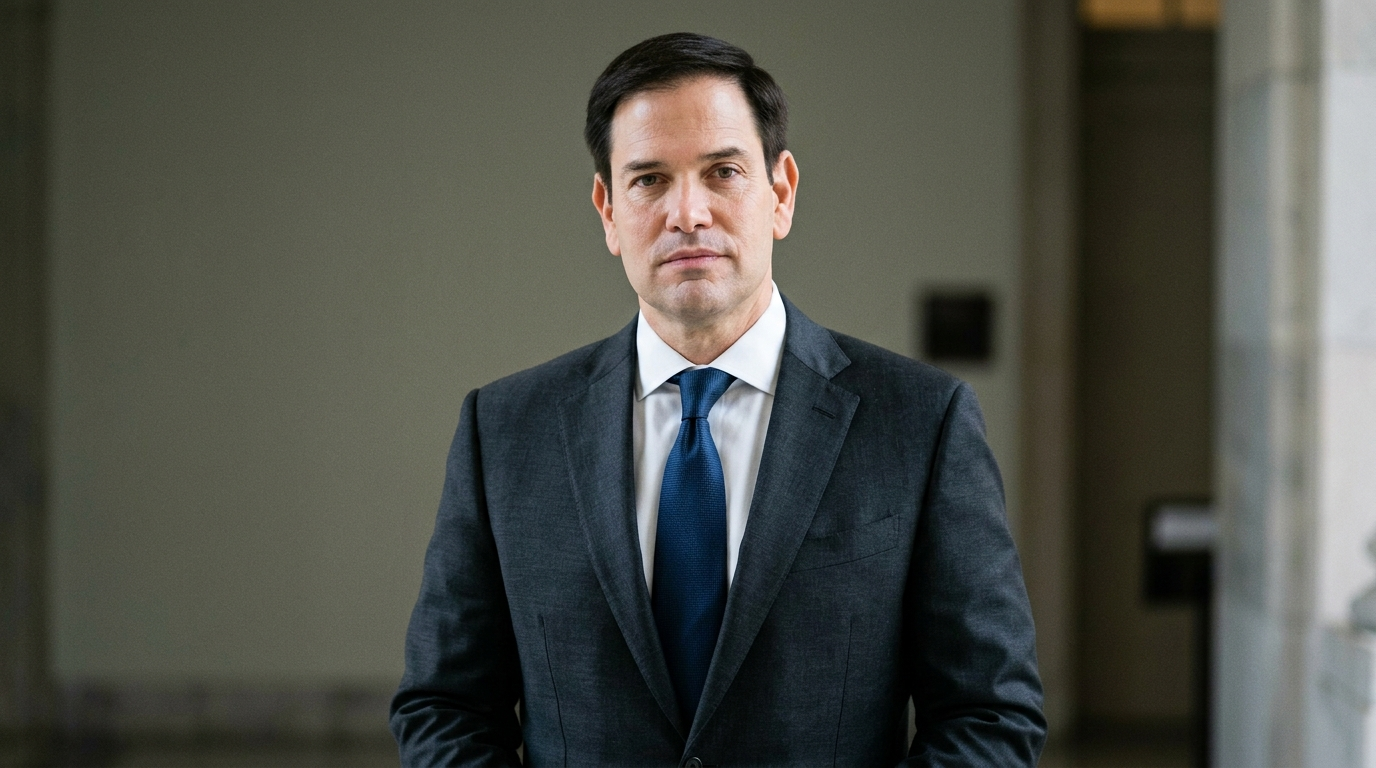
J.D. Vance · Donald Trump · Marco Rubio · Pete Hegseth · Karoline Leavitt · Alejandro Betancourt
Click an actor to see other briefs that name it.
What's still unverified
- Everything above is one outlet's account; none of it has been independently corroborated yet.
AI-assisted synthesis anchored to a real VeraVadis-analyzed source. Cleared by VeraVadis's automated editorial gates on 2026-09-09 — not reviewed by a human editor. Archive piece: published under our earlier method. It does not carry the per-claim evidence chain — who reported it first and who is echoing whom — that our current pieces carry. The source link and the date are the original ones.